
Ever wondered what it feels like to lock eyes with a wild leopard just a few meters away?
If that question sends a thrill down your spine, then Jawai Leopard Safari is where your next adventure should begin. Nestled in the rugged heart of Rajasthan, Jawai is a destination unlike any other. It is not a conventional wildlife sanctuary surrounded by fenced boundaries—here, leopards and humans coexist peacefully in open landscapes, ancient rocky hills, and rural villages.
Jawai is one of India’s most reliable leopard sighting locations, drawing wildlife lovers, photographers, and nature enthusiasts from around the world. With high sighting rates, offbeat terrain, and authentic wilderness, it has become a dream destination for anyone who wants to experience wildlife beyond typical national parks.
This complete guide will walk you through everything you need to know—right from Jawai safari price, timings, booking, best time to visit, itinerary, hotels, villages, photography opportunities, nearby attractions, and travel planning tips.
By the end of this blog, you’ll be completely prepared to plan your jaw-dropping leopard encounter in the wild hills of Jawai.
What Makes Jawai Truly Special?
-
A Place Where Humans and Leopards Coexist
The first thing visitors notice about Jawai is its unusual harmony. Unlike most wildlife regions where big cats live deep inside forests, here leopards roam among rural communities. They sit on hilltops above temples, prowl through ancient caves, and rest on exposed granite boulders—often visible directly from village rooftops.
Locals respect them, offering no threat. Over generations, leopards have learned that villagers pose no danger, creating a rare, balanced ecosystem where human and wildlife interactions occur naturally and peacefully.
2. High Leopard Sighting Guarantee
While tiger reserves often require luck and patience to spot the big cat, Jawai’s terrain and leopard population make sightings almost guaranteed, especially during early morning and late afternoon safaris.
Open slopes, fewer bushes, and elevated hills mean that leopards can often be seen resting or moving in clear sight. This visibility has made Jawai one of the most dependable safari destinations in India.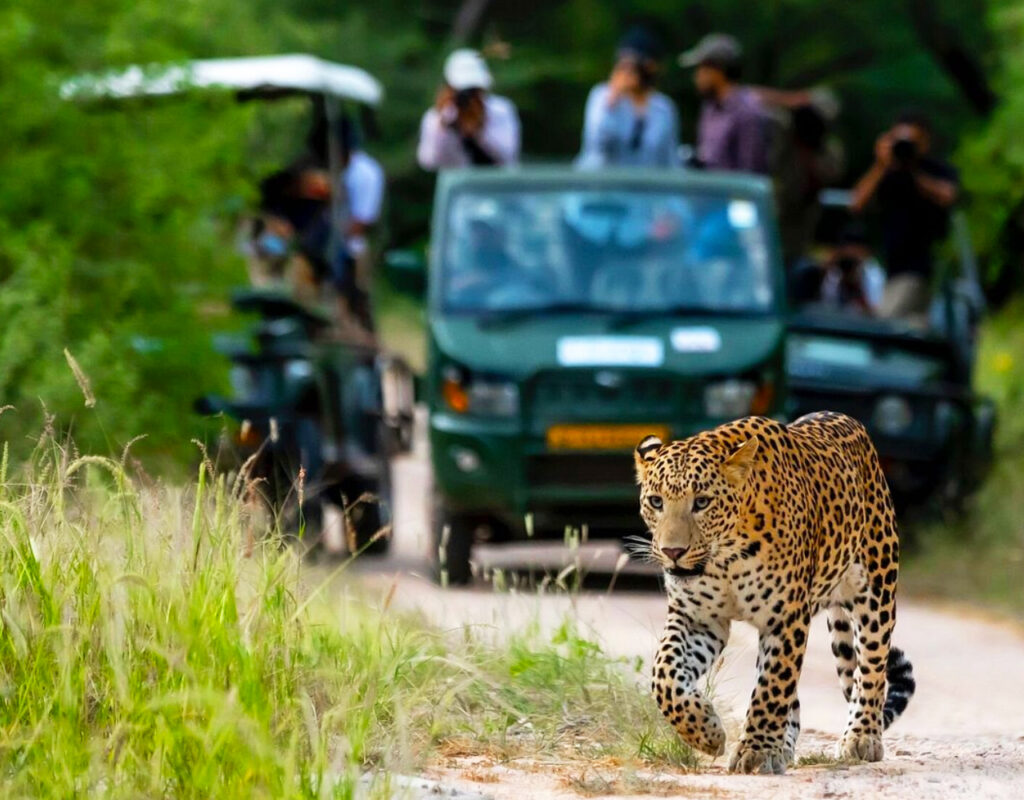
3. Not a Commercial, Crowded Destination
Unlike Ranthambore, Jim Corbett, or Bandhavgarh, Jawai hasn’t been commercialized to the same extent. Safaris are more personal, crowd-free, and rooted in local experience. Visitors travel in open jeeps driven by residents who know the landscape intimately and are often able to recognize individual leopards by their markings.
Jawai Leopard Safari – What Your Experience Will Be Like
A typical safari lasts 2.5 to 3 hours, depending on weather and sightings. Most safaris are available:
- Early morning (around sunrise)
- Late afternoon before sunset
These times offer the best chance to see leopards when they are most active.
What Happens on a Safari?
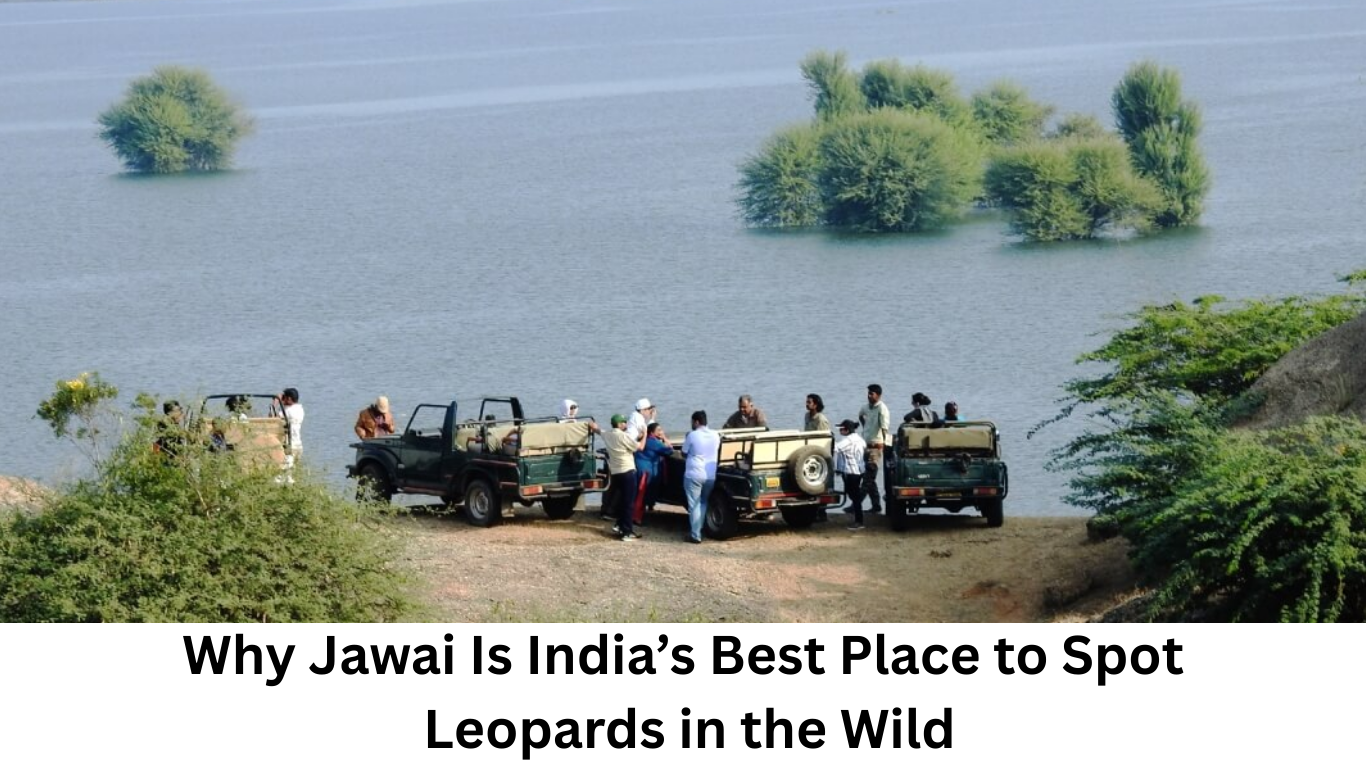
Your jeep driver and spotter will navigate the hilly terrain, focusing on rocky outcrops and caves known to be leopard territories. Sightings may include:
- Leopards resting on sun-warmed rocks
- Mothers teaching cubs to climb
- Leopards walking across hill slopes
- Leopards emerging from caves at dusk
Birdwatchers also love Jawai—pelicans, flamingos, cranes, and migratory species often gather around the Jawai Dam.
Common Searches People Make (and Their Answers)
Jawai Leopard Safari Price
Safari cost per person varies depending on:
- Type of jeep (private or shared)
- Luxury vs mid-range resort
- Tourist season
- Duration
Many resorts offer all-inclusive packages with meals and multiple safaris. Booking in advance increases the chances of choosing your preferred time slot.
Jawai Leopard Safari Timings
Typical timings are:
- Morning safari: Around 6:00 AM – 9:00 AM
- Evening safari: Around 4:00 PM – 7:00 PM
Winter timings shift slightly due to shorter daylight.
How Do You Book a Safari?
You can:
- Pre-book through a resort or lodge
- Book directly with local operators on arrival
During long weekends and holidays, advance booking is highly recommended because jeep numbers are limited.
Best Time to Visit Jawai
Technically, Jawai is open throughout the year. However, each season offers a different flavor:
October to March – Most Popular
- Pleasant climate
- Great sightings
- Ideal for photography
April to June – Leopard Visibility Peaks
Water scarcity means leopards often come out into the open, making sightings frequent.
Monsoon (July–September)
Safaris may be limited due to slippery terrains, but the landscape is lush and scenic.
Places to Visit Near Jawai
A Jawai trip isn’t only about leopard safaris. The nearby attractions offer a glimpse into regional culture, spirituality, and nature.
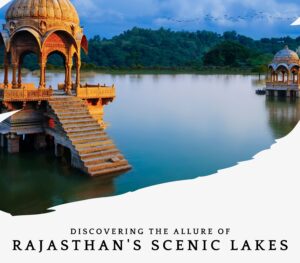
Jawai Bandh (Dam)
A scenic water body, great for:
- Sunrise photography
- Bird watching
- Calm nature walks
Ancient Temples in Leopard Territory
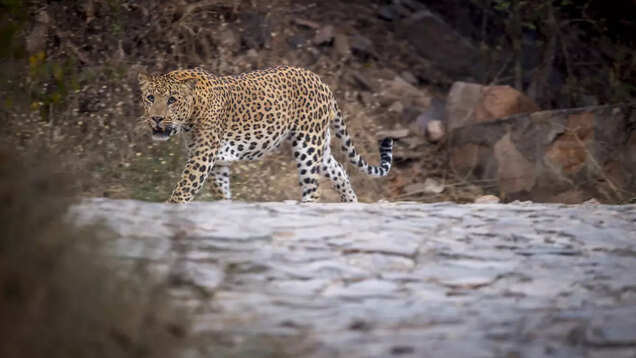
Many hilltop temples are located inside leopard ranges, where visitors often see leopards walking around temples—another testament to peaceful coexistence.
Villages Around Jawai
You can explore:
- Rabari settlements
- Artisan households
- Traditional lifestyle
If you enjoy authentic, non-touristy travel experiences, this is incredibly rewarding.
Where to Stay in Jawai
Accommodation in Jawai ranges from luxury safari lodges to budget homestays. Here are popular categories travelers search for:
✔ Resorts in Jawai
Offer in-house safaris, landscaped camps, dining, and curated experiences.
✔ Luxury Resorts in Jawai Rajasthan
Private pools, exclusive jeeps, private dining setups, and scenic hill views.
✔ Homestays and Tent Stays
Perfect for travelers who want simplicity and direct connection with local culture.
✔ Hotels Near Jawai Bandh
Ideal for those who want to stay close to the water and birdwatching spots.
Most properties offer package deals including meals + safari.
Sample Jawai Safari Itinerary
2-Day Trip (Most Popular)
Day 1
- Arrive and check in
- Evening leopard safari
- Stargazing and dinner under the clear desert sky
Day 2
- Morning safari for fresh sightings
- Return for breakfast
- Optional village walk or Jawai Bandh visit
- Depart after lunch
This short plan works perfectly for weekend getaways.
3-Day Detailed Itinerary (For Wildlife Lovers)
Day 1
- Arrival
- Sunset safari
- Relax and dinner
Day 2
- Early morning safari
- Breakfast
- Cultural village visit or temple tour
- Evening safari with photography focus
Day 3
- Birdwatching around Jawai Bandar
- Breakfast
- Checkout
Jawai – A Paradise for Wildlife Photography
Many visitors come to Jawai specifically for nature and wildlife photography. The visual landscape is unlike dense forests—wide rocky expanses allow clear visibility.
Photographers value:
- Natural framing of leopards against sunlit boulders
- Dramatic shadows in early mornings
- Sunset silhouettes
- Black-and-white photo opportunities due to the rugged terrain
Local guides often help photographers track known leopards and understand their behavior, increasing chances of dramatic shots.
Wildlife Beyond Leopards
Though leopards are the star attraction, Jawai’s ecosystem supports many species:
- Striped hyenas
- Desert fox
- Jungle cats
- Crocodiles near the dam
- Blue bulls (nilgai)
- Chinkaras
- Peacocks
- Migratory birds
The combination of predators, prey, and avian life makes the region biologically rich and diverse.
FAQ – Real Traveler Questions Answered
Is Jawai famous for leopards?
Absolutely. Jawai has one of the highest natural leopard concentrations in Rajasthan and India.
How many leopards are there in Jawai?
Numbers vary, but the region supports a stable leopard population spread across multiple hill systems.
Is Jawai safe for tourists?
Yes. The relationship between humans and leopards here is unusually peaceful. Safaris are managed by experienced guides who understand the terrain and behavior of the animals.
How many safaris should I take for the best experience?
Two to three safaris almost guarantee sightings and allow you to explore different territories.
Is advance booking required?
Not mandatory on weekdays, but strongly recommended during peak season and holidays.
How to Reach Jawai
By Air
The nearest airports:
- Udaipur
- Jodhpur
- Ahmedabad (farther but often convenient)
By Train
Jawai Bandh Railway Station has good connectivity with major cities including:
- Delhi
- Jaipur
- Ahmedabad
- Jodhpur
By Road
Jawai is well-connected through highways from:
- Udaipur (≈ 175 km)
- Jodhpur (≈ 160 km)
- Ahmedabad (≈ 260 km)
Road trips here are scenic and smooth.
Why Jawai Is Different from Other Tiger & Leopard Reserves
| Feature | Jawai | Typical National Parks |
| Habitat | Rocky hills, open terrain | Dense forests |
| Sighting chances | Very high | Moderate |
| Human-wildlife coexistence | Natural and harmonious | Limited interaction |
| Safari feel | Personal & local | Regulated & tourist-heavy |
If you want a safari that feels raw, real, untamed, and deeply rooted in local culture—Jawai is the destination.
Keyword Clustering for SEO Boost
If you are writing multiple blogs, you can divide your keyword strategy like:
Final Thoughts – Why You Must Experience Jawai Once
There are many wildlife destinations in India, but Jawai stands alone in its spirit. It isn’t polished like typical tourist parks—it’s raw, real, and stunningly authentic. Where else can you:
- See a leopard basking on a cliff at sunrise
- Watch villagers worship at temples located inside leopard zones
- Capture close wildlife photographs over natural, open terrain
- Experience the silence of wide granite valleys
- Sleep under star-filled desert skies
Jawai is not just a safari location—it is a window into a rare relationship where humans and leopards have learned mutual respect, creating a wildlife experience that feels ancient and almost spiritual.
If wildlife excites you, if photography inspires you, and if offbeat travel fuels your soul—Jawai Leopard Safari deserves a place on your travel bucket list.