


Jaipur in Summer Gets a Bad Reputation It Doesn’t Entirely Deserve
Jaipur in May can easily touch 45 degrees, and pretending otherwise would make planning the trip unnecessarily difficult. Summer in Rajasthan is intense. The heat changes how the day functions, when sightseeing happens, how long people stay outdoors, and even the rhythm of the city itself.
But there is another side to the conversation that many travelers never hear.
The crowds thin out significantly. Hotels become more affordable. Forts and palaces that feel packed during winter months suddenly become calm and walkable. The markets feel more local. The city becomes less performative and more genuine once peak tourist season slows down.
That is why many experienced travelers quietly argue that the best places to visit in Jaipur in summer are actually more enjoyable than during winter — provided the trip is planned correctly.
The monuments themselves do not lose their beauty because of the season. Amber Fort still overlooks Maota Lake with the same grandeur. Hawa Mahal still glows pink in the evening light. City Palace still reflects centuries of Rajput and Mughal architecture layered into one complex.
The difference is timing.
Early mornings belong to sightseeing. Afternoons belong to shaded markets, museums, and hotel pools. Evenings belong to rooftop cafés, old city walks, and sunset viewpoints.
Once the trip is structured around the season instead of fighting against it, Jaipur in summer becomes surprisingly rewarding.
Why Jaipur in Summer Is Better Than Most Travelers Expect
Most travelers automatically associate Rajasthan with winter tourism, which is understandable. Pleasant weather between October and February makes sightseeing easier, especially for first-time visitors.
But summer changes Jaipur in ways that many travelers eventually end up appreciating.
The city becomes quieter. The famous tourist attractions become easier to explore without crowds constantly surrounding every viewpoint. Photography improves because monuments are not packed with visitors. Heritage hotels offer lower room rates. Restaurants become less crowded. The city feels slower and more manageable overall.
This is especially noticeable at major tourist sites where long winter queues often disappear completely during hotter months.
For travelers interested in architecture, culture, photography, or slower travel experiences, the best places to visit in Jaipur in summer often feel more authentic than during peak tourism season.
There is also a practical advantage. Heritage hotels that become expensive during winter frequently lower their prices significantly in May and June. Luxury stays, boutique havelis, and centrally located hotels become much more accessible for travelers who plan around the season.
Summer in Jaipur is not about spending entire afternoons outdoors. It is about understanding the city’s rhythm and exploring it intelligently.
The Morning Belongs to the Forts
Morning is the most important part of any Jaipur summer itinerary.
By 7 AM, the city is still relatively cool, traffic remains manageable, and the monuments feel peaceful in a way they rarely do during tourist season. This is the ideal time to visit Jaipur’s historic forts before the afternoon heat becomes difficult.
Amber Fort Before 9 AM
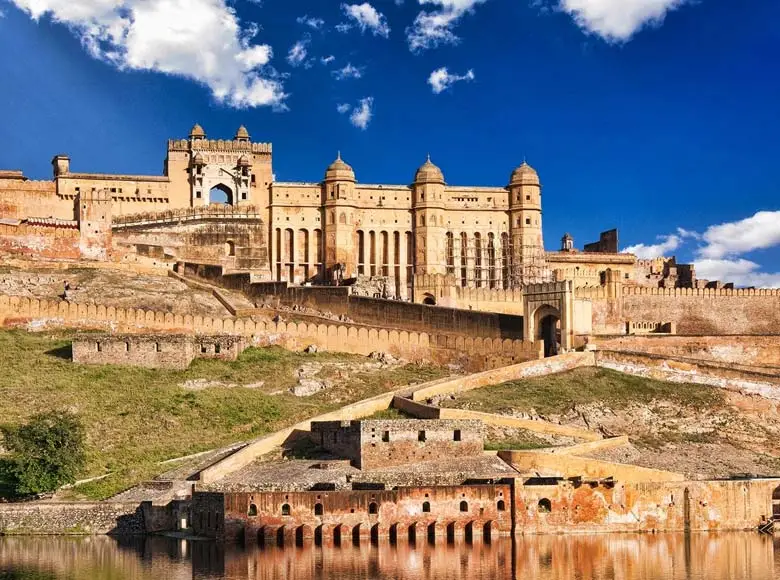
Amber Fort is one of the most important historical attractions in Rajasthan and remains among the best places to visit in Jaipur in summer if visited early enough.
Located around 11 kilometers from the city center, the fort rises above Maota Lake and combines Rajput architecture with Mughal influence in a way that feels grand without becoming overwhelming.
The Sheesh Mahal remains one of the highlights. The mirror work reflects early morning sunlight beautifully, creating the type of visual detail that makes Amber Fort unforgettable even for travelers who have already visited multiple forts across India.
The Ganesh Pol gateway, the courtyards, the elevated pathways, and the panoramic views across the surrounding hills all become easier to appreciate before tour groups arrive later in the day.
Many travelers now avoid the elephant rides due to animal welfare concerns, and jeep rides to the entrance have become the more practical and ethical alternative.
By visiting Amber Fort before 9 AM, travelers avoid both the strongest heat and the heavy tourist crowds that dominate the fort later in the day.
Nahargarh Fort for Sunrise Views
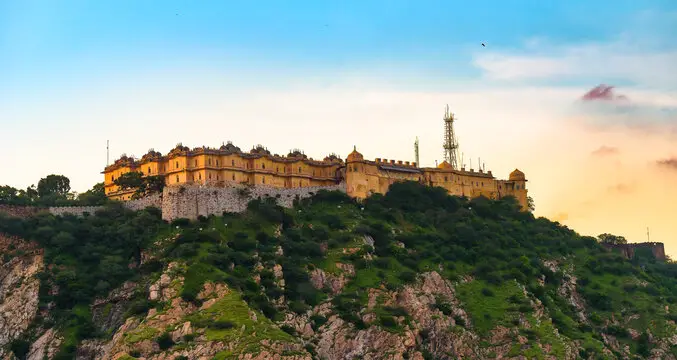
Nahargarh Fort offers one of the best panoramic views in Jaipur.
Situated on the Aravalli hills overlooking the city, the fort becomes especially beautiful during sunrise when the light slowly spreads across the Pink City below.
Unlike Amber Fort, Nahargarh is visited more for its location and atmosphere than for detailed architectural interiors. The experience is about standing above Jaipur while the city slowly wakes up beneath the hills.
The cooler early morning air also makes the uphill drive significantly more comfortable during summer.
For photographers and travelers interested in viewpoints, Nahargarh easily remains one of the best places to visit in Jaipur in summer, especially during dawn hours.
The Palaces — Late Afternoon Is the Right Time
Once the midday heat begins building, the ideal approach is to pause outdoor sightseeing and return later in the evening when the temperature becomes manageable again.
Jaipur’s palaces feel completely different during late afternoon light compared to harsh midday sunlight.
City Palace Jaipur
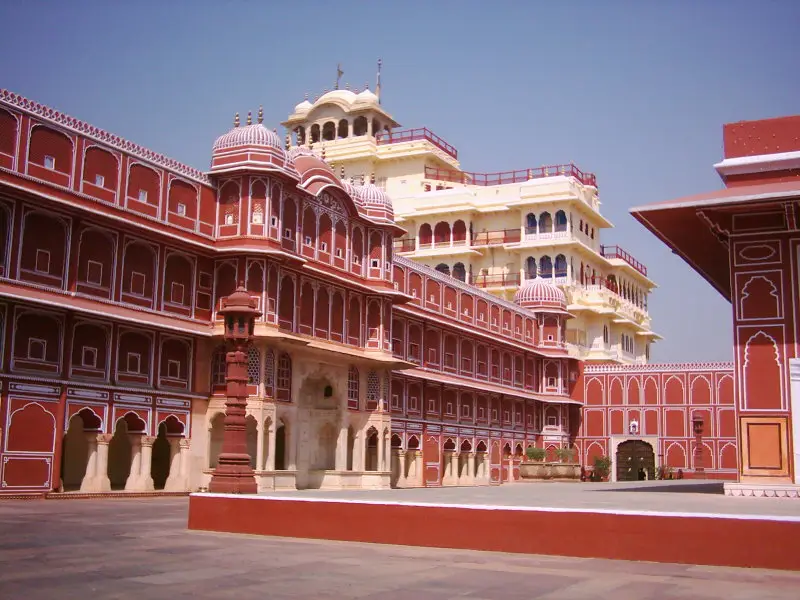
City Palace remains one of Jaipur’s most architecturally layered landmarks.
The complex combines Rajput and Mughal styles across courtyards, gates, museums, royal residences, and ceremonial spaces that still partially function as a residence for Jaipur’s royal family.
Late afternoon works best because the softer sunlight improves the appearance of the sandstone structures while also making outdoor exploration more comfortable.
Highlights include:
- Mubarak Mahal
- Chandra Mahal
- Pritam Niwas Chowk
- royal textile collections
- weapon galleries
- traditional art exhibits
The palace offers enough indoor sections and shaded areas to remain manageable even during warmer months.
For travelers interested in heritage architecture and royal history, City Palace remains among the best places to visit in Jaipur in summer.
Hawa Mahal in Evening Light
Hawa Mahal is probably Jaipur’s most photographed building, and for good reason.
The five-story pink sandstone façade remains one of the most recognizable architectural icons in India. While many travelers expect the interior to be equally grand, the real visual impact comes from observing the exterior during late afternoon or early evening.
The warm sunlight enhances the pink tones of the sandstone beautifully, making this the ideal time for photography.
The upper windows also provide views across the old city streets below, creating a perspective that feels especially atmospheric once the daytime heat begins fading.
Even though Hawa Mahal is smaller than many first-time visitors expect, its architectural identity makes it one of the best places to visit in Jaipur in summer during evening hours.
Jal Mahal at Sunset
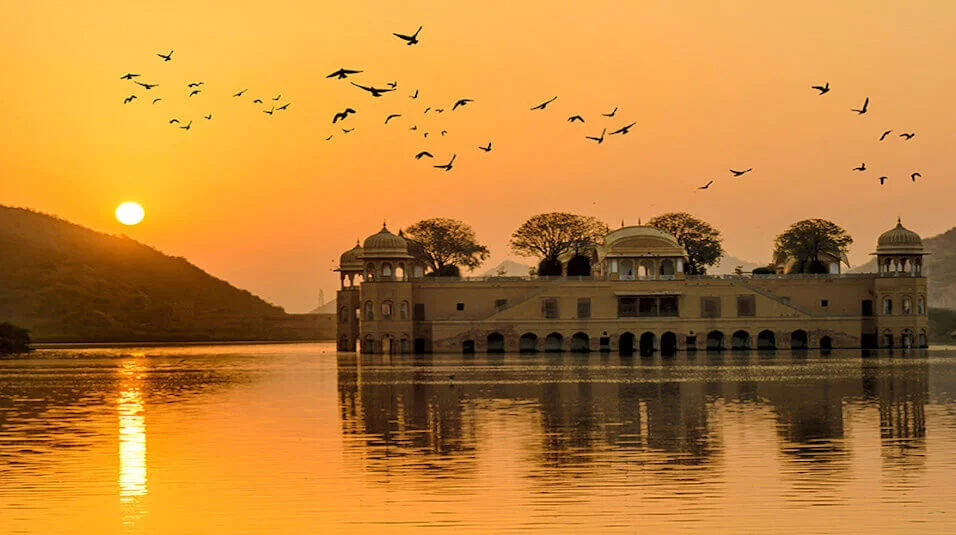
Jal Mahal sits quietly in the middle of Man Sagar Lake and becomes particularly beautiful at sunset.
The palace itself cannot be entered, but the lakeside road offers excellent views during the evening when the fading sunlight reflects across the water.
Unlike many crowded tourist spots, Jal Mahal works best as a slow stop rather than a long sightseeing session. Many travelers simply pause here while returning from Amber Fort or Nahargarh.
The combination of water, hills, and evening light creates one of Jaipur’s calmest moments.
Midday in Jaipur — Markets and Cool Indoor Experiences
The middle hours of the day require a different approach during summer.
Instead of trying to continue outdoor sightseeing in extreme temperatures, Jaipur’s markets, museums, and indoor attractions become the smarter option.
Johari Bazaar and Jaipur’s Craft Culture
Johari Bazaar represents Jaipur’s long-standing connection to gemstones, jewelry, block printing, and traditional crafts.
The covered market streets provide significantly more shade than open tourist areas, making shopping and exploration more manageable during warmer hours.
Jaipur remains one of India’s major gemstone trading centers, and the craftsmanship visible throughout the old city markets still feels genuine despite the tourism industry surrounding it.
Travelers can explore:
- silver jewelry
- gemstones
- block-printed textiles
- mojari footwear
- blue pottery
- handmade crafts
The markets also provide a better opportunity to experience local Jaipur culture compared to monument-heavy itineraries.
Albert Hall Museum
Albert Hall Museum becomes particularly useful during summer because it combines history, architecture, and indoor comfort.
Located inside Ram Niwas Garden, the museum houses:
- miniature paintings
- decorative arts
- carpets
- sculptures
- historical collections
- Egyptian mummy exhibits
The building itself is architecturally impressive, and the air-conditioned interiors make it an excellent midday escape from Rajasthan’s summer temperatures.
For travelers interested in quieter indoor experiences, Albert Hall is easily among the best places to visit in Jaipur in summer.
How to Explore Jaipur Comfortably in Summer
A successful Jaipur summer trip depends more on timing than intensity.
Trying to cover the entire city continuously throughout the day usually becomes exhausting. Instead, dividing the itinerary properly creates a far more enjoyable experience.
The most practical approach includes:
- fort visits early in the morning
- indoor experiences during midday
- evening palace visits
- hotel pool breaks during peak heat
- lightweight clothing
- constant hydration
- AC transportation between attractions
Even local residents structure their days differently during peak summer, and travelers benefit by adapting similarly rather than following rigid sightseeing schedules.
With proper planning, Jaipur becomes much more comfortable than many first-time visitors expect.
Where to Stay in Jaipur During Summer
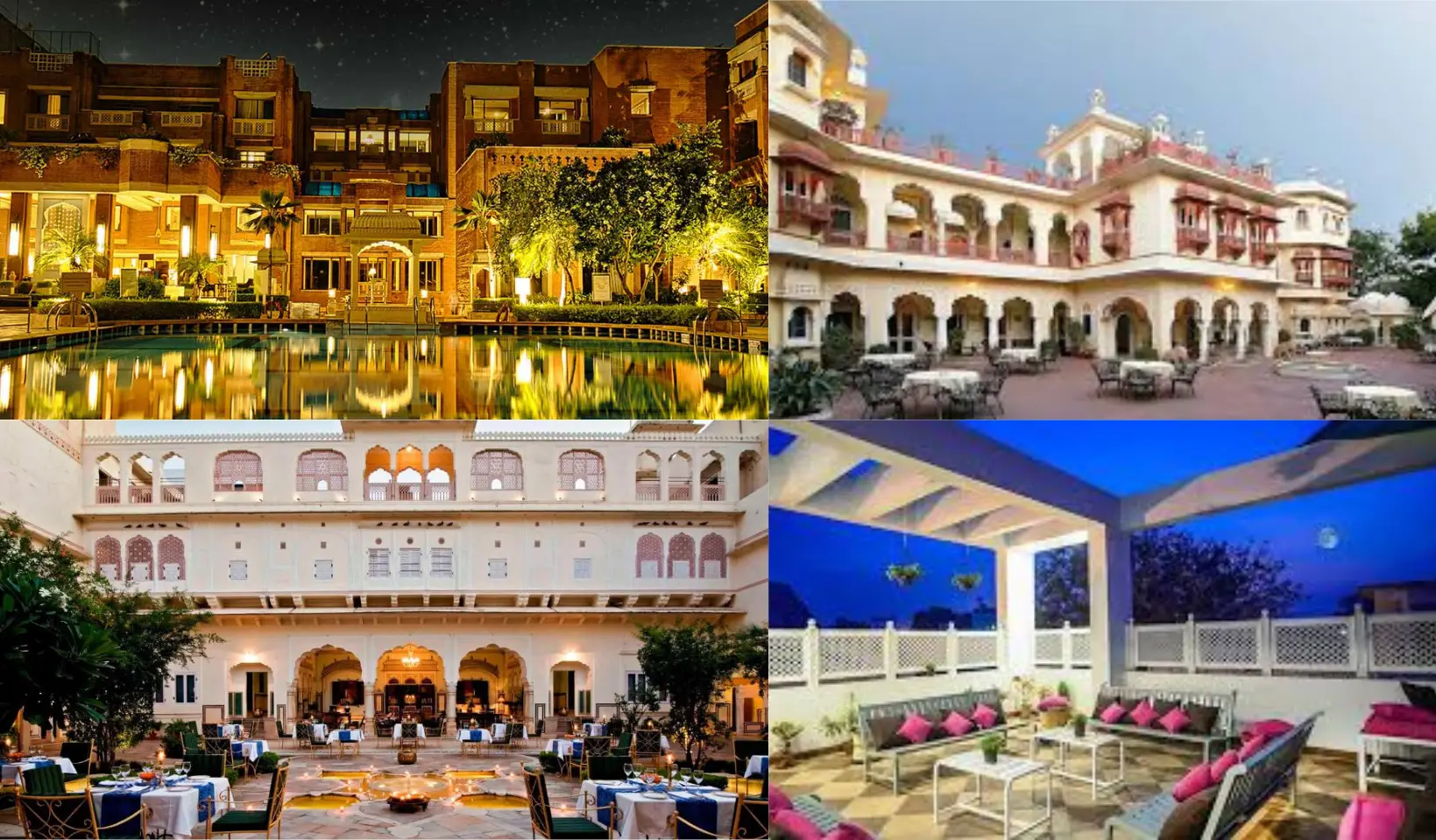
Choosing the right hotel becomes especially important during a summer Jaipur trip. Hotels with pools, reliable air conditioning, and convenient access to major attractions make sightseeing significantly easier during Rajasthan’s hotter months.
Samode Haveli — Old City
Samode Haveli combines heritage architecture with practical summer comfort remarkably well.
Located inside Jaipur’s old city, this 475-year-old mansion uses traditional courtyard architecture that naturally improves airflow and shade throughout the property.
The haveli atmosphere feels authentic without becoming outdated. High ceilings, traditional décor, and shaded courtyards create an experience that feels connected to Jaipur’s architectural identity rather than disconnected luxury.
The rooftop pool becomes especially valuable during summer afternoons after morning sightseeing sessions.
ITC Rajputana — Central Jaipur
For travelers preferring a more structured luxury experience, ITC Rajputana remains one of Jaipur’s most dependable five-star hotels.
The rooms are well insulated against outside temperatures, the pool is large enough for proper relaxation, and the location allows relatively easy access to major attractions.
The hotel’s restaurants also reduce the need for excessive travel during hotter parts of the day.
For travelers prioritizing comfort during Rajasthan’s summer season, ITC Rajputana works extremely well.
Alsisar Haveli — Civil Lines
Alsisar Haveli offers a strong balance between heritage character and mid-range pricing.
Originally built in 1892, the property preserves much of its original design while still providing modern comforts required for summer travel.
The garden areas and swimming pool make afternoons more relaxing, while the smaller scale of the property creates a quieter and more personal atmosphere compared to larger luxury hotels.
Zostel Jaipur — Budget Stay
For backpackers and budget travelers, Zostel Jaipur provides a practical summer stay option with functional rooms, social spaces, and convenient access to the old city.
The hostel atmosphere also makes it easier for solo travelers to exchange travel information and sightseeing tips with others exploring Jaipur during the off-season.
The pricing remains particularly attractive during summer months when many hotels reduce rates significantly.
Planning Your Jaipur Summer Trip
Planning accommodation carefully becomes important during Rajasthan travel, especially when visiting multiple cities across the state.
Travelers searching for nearby hotels near me while exploring Jaipur often compare heritage stays, boutique havelis, luxury hotels, and budget accommodations depending on the type of trip they want to create.
On HotelsNearbyMe, travelers can also explore:
- curated hotels by city
- heritage stays across Rajasthan
- affordable summer accommodations
- seasonal hotel deals in India
- travel inspiration for the best places to visit in India
- nearby destinations for extended Rajasthan itineraries
Combining Jaipur with nearby cities like Udaipur, Jodhpur, Pushkar, or Mount Abu often creates a more complete Rajasthan travel experience.
Why Jaipur Feels Different in Summer
Summer strips away some of Jaipur’s tourist performance.
The city feels less crowded, less rushed, and in many ways more honest. Markets return to serving locals instead of only visitors. Forts feel quieter. Hotels become more accessible. Evening walks through the old city become slower and more personal.
Travelers who arrive expecting only heat often leave surprised by how manageable and rewarding the experience actually becomes with proper planning.
The slower pace also changes how Jaipur gets experienced. Instead of rushing through monuments alongside tour groups, visitors spend more time observing details — architecture, local crafts, conversations, street food, and daily life.
That slower rhythm becomes one of the strongest reasons many travelers eventually appreciate Jaipur during summer more than during peak season.
The Jaipur Most Travelers Miss
Summer Jaipur is not the postcard version most tourists imagine before visiting Rajasthan.
It is warmer, quieter, slower, and significantly less crowded. But that difference also reveals another side of the city — one where monuments become easier to explore, heritage hotels become more affordable, and the old city feels less overwhelmed by tourism.
The forts remain extraordinary in the early morning light. The palaces still glow beautifully during sunset. The bazaars continue carrying Jaipur’s craft traditions through every season.
The key is not avoiding summer.
It is learning how to move through Jaipur properly during it.
For travelers willing to adapt their schedule around the season, the best places to visit in Jaipur in summer become far more enjoyable than most people expect.
And sometimes, the best version of a famous city appears when fewer people are looking at it.
Frequently Asked Questions
Q1. Is Jaipur worth visiting in summer?
Yes, Jaipur can still be highly enjoyable during summer if sightseeing is planned during mornings and evenings while afternoons are reserved for indoor experiences and hotel relaxation.
Q2. What are the best places to visit in Jaipur in summer?
Amber Fort, Nahargarh Fort, City Palace, Hawa Mahal, Jal Mahal, Johari Bazaar, and Albert Hall Museum are among the best places to visit in Jaipur during summer.
Q3. Which fort is best to visit in Jaipur during summer?
Amber Fort is considered the best fort to visit early in the morning because temperatures remain relatively comfortable before the heat increases.
Q4. Are Jaipur hotels cheaper in summer?
Yes, many heritage hotels and luxury properties reduce room prices significantly during Jaipur’s off-season summer months.
Q5. Is Jaipur too hot in May?
May is extremely hot in Jaipur, but travelers who plan activities early in the day can still enjoy the city comfortably.
Q6. Which area is best to stay in Jaipur?
The Old City, Civil Lines, and central Jaipur areas are popular choices because they provide easier access to major attractions and restaurants.