


South Goa Has an Underwater World That Most Visitors Never Find
Most Goa conversations stay above the surface. Beaches, cafés, sunsets, nightlife, beach shacks, and crowded tourist streets dominate almost every travel itinerary. Visitors spend days moving between famous beaches, trying seafood, and watching the Arabian Sea from the shore without ever exploring what exists beneath it.
That is where scuba diving in South Goa becomes completely different from the usual Goa experience.
The Arabian Sea along Goa’s southern coastline hides an underwater world that most travelers never see. Coral formations, marine ecosystems, reef fish, underwater rock structures, and old shipwrecks exist just beyond the beaches that tourists spend entire holidays looking at from a distance.
South Goa offers some of the best diving conditions in Goa because the coastline is quieter, cleaner, and less commercially crowded compared to the northern side of the state. Lower boat traffic and reduced coastal congestion help improve underwater visibility during diving season, making the experience far more rewarding for beginners and certified divers alike.
For travelers looking to go beyond beach tourism, scuba diving opens an entirely different side of Goa — one that feels adventurous, peaceful, and surprisingly untouched.
What’s Actually Down There
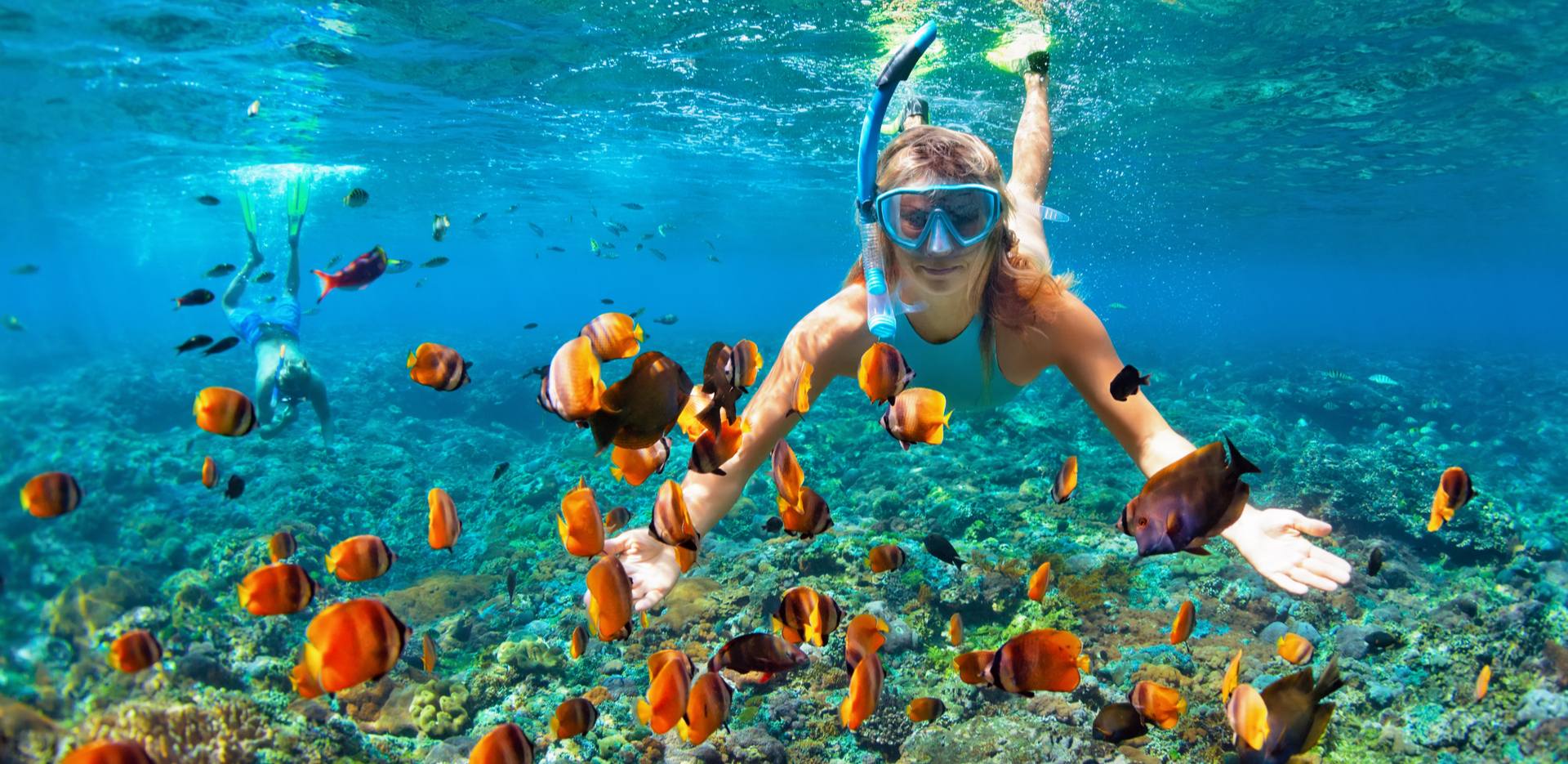
The underwater world near South Goa is not comparable to destinations like the Maldives or Thailand, and setting expectations correctly matters. The Arabian Sea produces a different kind of diving experience. Visibility changes with weather conditions, coral density is lower than tropical reef destinations, and marine life appears differently depending on the season.
But under the right conditions, the experience becomes genuinely memorable.
The dive sites near Grande Island are among the most popular locations for scuba diving in South Goa. These underwater areas contain coral formations, reef structures, schools of fish, and rocky underwater landscapes that support a surprisingly active marine ecosystem.
Divers regularly encounter:
- Groupers
- Snappers
- Barracudas
- Moray eels
- Lionfish
- Nudibranchs
- Sea horses
- Octopus hiding within rocks
- Large schools of reef fish
On some dives, reef sharks are also spotted moving through deeper sections near the reefs, especially by experienced divers exploring advanced sites.
One of the most fascinating parts of diving near Grande Island is the wreck diving experience. The Suzy wreck, a sunken cargo vessel resting underwater for decades, has slowly transformed into an artificial reef filled with marine life. Coral and fish populations now occupy large parts of the structure, creating one of the most interesting underwater sites near Goa.
For experienced divers, wreck exploration adds an entirely different layer to the diving experience. Moving around underwater structures, observing marine life around the wreck, and exploring areas rarely visible from the surface creates the type of experience many divers specifically travel for.
The underwater world off South Goa feels quieter and less commercialized than most people expect from Goa tourism, which is exactly why so many travelers end up surprised by the experience.
Best Time for Scuba Diving in South Goa
The timing of a diving trip matters significantly.
The best season for scuba diving in South Goa runs from October to April when sea conditions remain calmer and underwater visibility improves after the monsoon season.
October to November
Post-monsoon conditions often produce the clearest visibility underwater. Marine life becomes more active, and the sea remains relatively calm, making this period ideal for both beginners and experienced divers.
December to February
This is the peak tourism season in Goa. Dive operations are fully active, weather conditions remain pleasant, and underwater conditions stay suitable for most dive sites around Grande Island.
March to April
The water temperature becomes warmer, and visibility still remains good for recreational diving. This period works especially well for travelers wanting slightly lower crowds compared to December and January.
Monsoon Season
Between June and September, diving activity is heavily restricted because monsoon currents and rough sea conditions reduce visibility significantly. Most operators avoid running regular diving trips during this time for safety reasons.
For travelers planning beginner scuba diving experiences or certification courses, October through February generally offers the best balance between weather, sea conditions, and visibility.
Discovery Dives vs Certification Courses
One of the most common questions travelers ask is whether they should try a beginner discovery dive or commit to a full certification course.
The answer depends entirely on how deep the interest in diving goes.
Discovery Dives for Beginners
A discovery dive, also called an introductory dive or resort dive, is designed for non-certified travelers who want to experience scuba diving without completing a full training course.
This option works well for:
- First-time divers
- Non-swimmers with instructor support
- Travelers with limited time
- Visitors curious about underwater experiences
An instructor stays with participants throughout the dive, depth limits remain controlled, and the experience focuses mainly on introducing basic underwater breathing and movement techniques.
For many travelers visiting Goa for a short vacation, discovery dives become the easiest way to experience the underwater world without committing several days to training.
PADI Open Water Certification
For travelers who have been curious about diving for years, completing a certification course often becomes far more rewarding.
The PADI Open Water certification usually takes two to three days and includes:
- Pool training sessions
- Diving theory
- Equipment learning
- Four open-water dives
Once certified, divers can independently explore dive sites worldwide up to recreational depth limits.
Completing certification during a South Goa trip also changes the diving experience significantly. Certified divers gain access to deeper areas, better reef sections, and more freedom underwater compared to introductory dives.
Many travelers who initially book a single beginner dive eventually return for certification courses after realizing how different the underwater experience feels compared to regular beach tourism.
Best Places to Stay for a South Goa Diving Trip
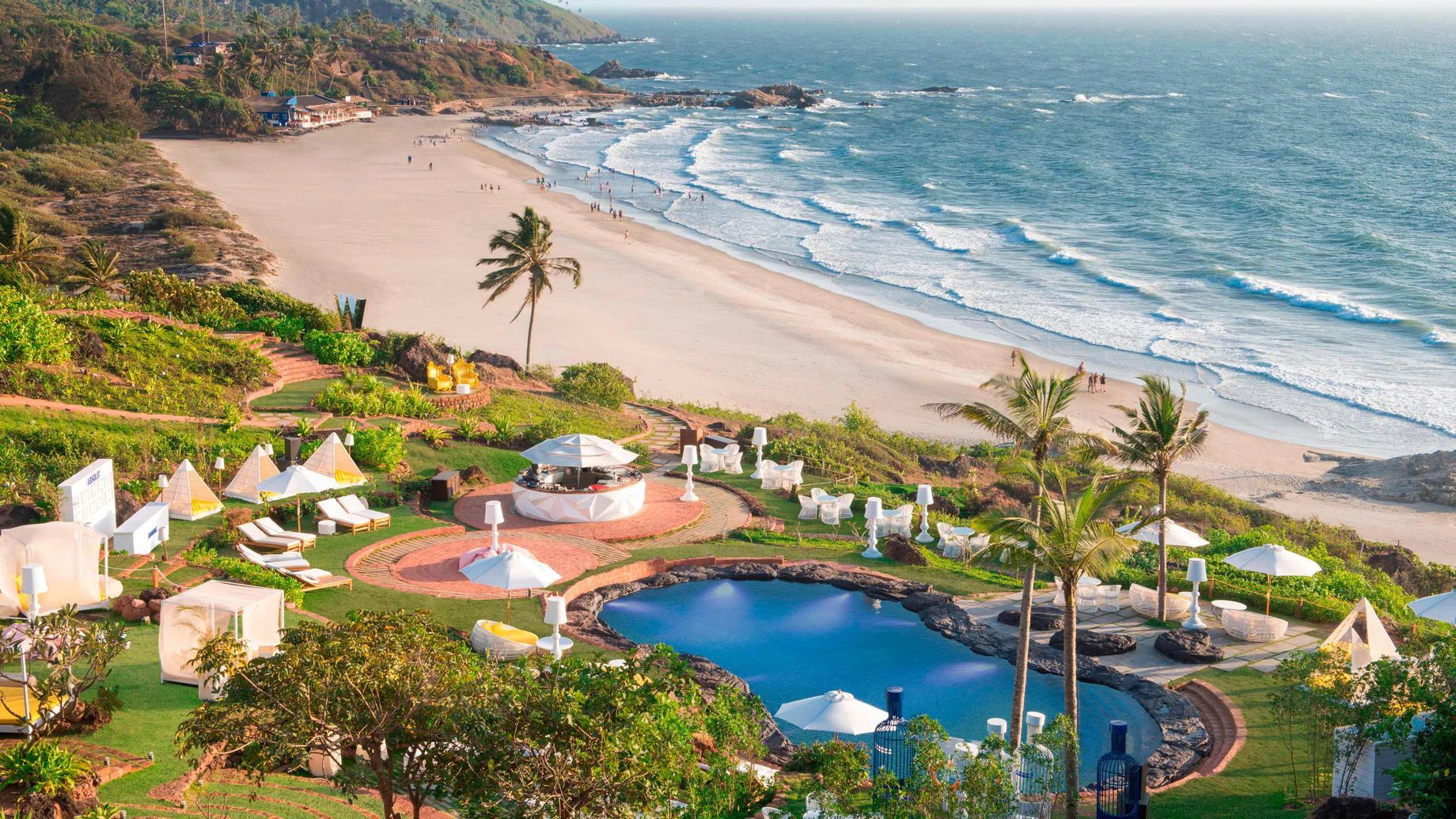
Travelers planning scuba diving trips in Goa usually prefer staying near Palolem or Agonda because most dive operators and boat departures are concentrated around these areas.
Staying close to the beach makes early morning dive departures much easier while also allowing travelers to combine underwater activities with a relaxed South Goa beach experience.
The best stays for divers usually include:
- Easy beach access
- Comfortable post-dive relaxation areas
- Good dining options
- Quiet surroundings
- Convenient transport to dive operators
- Papillon Resort Palolem
Palolem Beach remains one of the most convenient bases for divers visiting South Goa. Papillon Resort sits close enough to the beach that early morning dive schedules become easy to manage without dealing with unnecessary transport complications.
The property offers cottages and resort-style rooms across multiple categories, making it suitable for different budgets and travel styles. Guests also benefit from beach cafés, restaurants, garden areas, and swimming pool access after returning from dives.
Palolem itself offers a more social atmosphere compared to quieter beaches nearby, making the resort especially suitable for travelers who want both diving and an active beach environment.
Best suited for:
- Beginner divers
- Couples
- Social travelers
- Mid-range South Goa stays
- Ciaran’s Camp Palolem
For travelers who prefer simpler accommodation and fewer distractions, Ciaran’s Camp remains one of the more practical beach stays near dive operations.
The hut-style accommodation sits close to the shoreline, allowing easy access to morning dive departures. The property focuses more on functionality and beach atmosphere rather than luxury infrastructure.
Many divers prefer this type of stay because most of the trip is spent outdoors anyway — either underwater, at the beach, or exploring nearby cafés.
The relaxed environment and budget-friendly pricing make Ciaran’s Camp popular among solo travelers, backpackers, and adventure-focused visitors.
Best suited for:
- Budget travelers
- Backpackers
- Solo visitors
- Travelers focused mainly on diving activities
- Devaaya Ayurveda and Nature Cure Centre
Devaaya offers something completely different from the standard beach stay experience.
Located on Divar Island, this wellness-focused property combines Ayurvedic treatments, nature therapy, and recovery-focused hospitality with access to Goa’s diving experiences.
For travelers planning multiple dive days, recovery becomes more important than expected. Diving can be physically demanding, especially across consecutive days involving boat travel, underwater movement, and long hours in the sun.
The combination of wellness treatments and diving activities creates a slower, more restorative version of the South Goa adventure itinerary.
Best suited for:
- Wellness travelers
- Long-stay visitors
- Experienced divers
- Travelers combining relaxation with adventure
Planning Your South Goa Stay
South Goa offers much more than beaches and underwater adventures. Many travelers combine diving trips with beach stays, wellness retreats, island tours, and nearby sightseeing experiences to create a longer and more relaxed coastal vacation.
Visitors searching for nearby hotels near me while planning their Goa itinerary often compare accommodation around Palolem, Agonda, Colva, and nearby coastal destinations before deciding where to stay.
On HotelsNearbyMe, travelers can also explore:
- curated hotels by city
- beachfront stays in Goa
- boutique beach cottages
- budget-friendly accommodation and hotel deals in India
- family-friendly coastal resorts
- travel inspiration covering the best places to visit in India
Choosing accommodation close to dive operators and beach access usually makes scuba diving trips far more convenient while also improving the overall South Goa travel experience.
Why Scuba Diving in South Goa Is Worth Experiencing
Goa is usually remembered for beaches, nightlife, cafés, and sunsets. But the underwater world changes the way many travelers experience the destination completely.
Diving introduces a version of Goa that feels calmer, quieter, and disconnected from regular tourism. The moment divers descend below the surface, the noise disappears. Movement slows down. Marine life replaces beach crowds. The Arabian Sea suddenly feels much larger and more alive than it appears from the shoreline.
For many travelers, scuba diving in South Goa becomes the most memorable part of the trip precisely because it feels unexpected. Most visitors never realize this side of Goa exists.
The experience also creates a stronger connection with the coastline itself. Beaches become more than places to sit or swim. The sea becomes an ecosystem rather than scenery.
Whether someone tries a beginner dive once or continues toward certification courses later, the underwater experience usually leaves a lasting impression long after the trip ends.
Final Thoughts
The Arabian Sea off South Goa has always been there — calm on the surface, far more alive underneath.
The coral formations, reef structures, underwater wrecks, and marine life remain invisible to most beach tourists who never move beyond the shoreline. But for travelers willing to explore below the surface, South Goa offers a completely different kind of travel experience.
The diving operators are experienced, the dive sites are accessible, and the seasonal conditions between October and April are genuinely suitable for recreational diving. From beginner discovery dives to full PADI certification courses, there are options available for almost every type of traveler.
The accommodation choices around Palolem and Agonda also make planning easier, whether the goal is a relaxed beach vacation, an adventure-focused itinerary, or a longer wellness escape.
For travelers looking to experience Goa differently, going underwater may end up becoming the highlight of the entire trip.
The South Goa most people remember is above the surface.
The one many never discover is underneath it.
Frequently Asked Questions
Q1. Is scuba diving in South Goa safe for beginners?
Yes, beginner discovery dives are conducted with trained instructors and controlled safety procedures, making them suitable for first-time divers.
Q2. What is the best time for scuba diving in South Goa?
October to April is considered the best season because sea conditions and underwater visibility remain more favorable.
Q3. Which beach is best for scuba diving in Goa?
Palolem and nearby Grande Island access points are among the most popular locations for diving trips in South Goa.
Q4. Can non-swimmers do scuba diving in Goa?
Yes, many beginner discovery dive programs allow non-swimmers to participate with instructor assistance.
Q5. How much does scuba diving in South Goa cost?
Pricing varies depending on the dive package, certification level, and operator, but beginner dives are generally affordable for most travelers.
Q6. Is Grande Island good for scuba diving?
Yes, Grande Island is one of Goa’s most popular diving locations because of its coral formations, marine life, and underwater wreck sites.